Top FPV Drone Parts for Every Skill Level in Kerala
- otsanath
- May 17
- 4 min read
Drones have taken the world by storm, and in Kerala, the excitement around First Person View (FPV) drones is palpable. Whether you're a beginner looking to take your first flight or an experienced pilot aiming to enhance your setup, understanding the essential parts of an FPV drone is crucial. This guide will walk you through the top FPV drone parts suitable for every skill level, ensuring you make informed decisions that elevate your flying experience.
Understanding FPV Drones
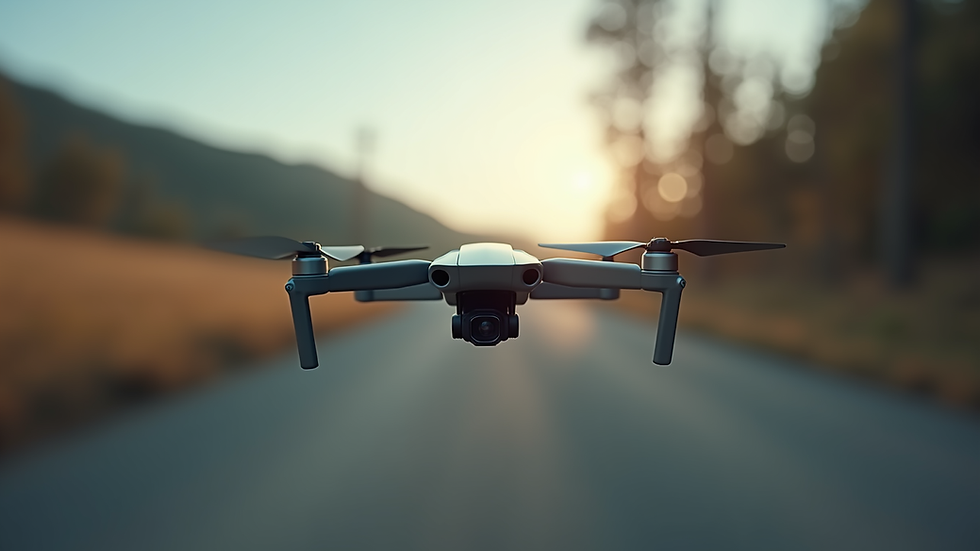
FPV drones allow pilots to experience flight from a first-person perspective, providing an immersive experience that traditional drones cannot match. The thrill of flying through the air while seeing exactly what the drone sees is what makes FPV flying so appealing. However, to enjoy this experience fully, you need to understand the various components that make up an FPV drone.
Key Components of an FPV Drone
Frame
The frame is the backbone of your drone. It holds all the components together and determines the drone's overall size and weight.
Material: Most frames are made from carbon fiber or plastic. Carbon fiber is lightweight and durable, making it ideal for racing drones.
Motors
Motors are responsible for propelling the drone into the air. The size and power of the motors will affect the drone's speed and maneuverability.
Types: Brushless motors are the most common in FPV drones due to their efficiency and longevity.
Electronic Speed Controllers (ESC)
ESCs control the speed of the motors based on the pilot's input. They are crucial for smooth flight and responsiveness.
Selection: Choose ESCs that match your motors' specifications for optimal performance.
Flight Controller
The flight controller is the brain of the drone. It processes input from the pilot and stabilizes the drone during flight.
Features: Look for flight controllers with advanced features like GPS, altitude hold, and various flight modes.
Camera
The camera captures the FPV feed that you see while flying. A good camera enhances the flying experience by providing clear and stable video.
Options: Popular choices include the RunCam and Foxeer brands, known for their high-quality optics.
Video Transmitter (VTx)
The VTx sends the video feed from the camera to your goggles or monitor. The power output of the VTx affects the range of your FPV feed.
Power Levels: Choose a VTx with adjustable power levels to comply with local regulations and optimize your range.
Goggles
FPV goggles allow you to see what the drone sees in real-time. They come in various styles and price ranges.
Comfort: Look for goggles that fit well and have good resolution for an immersive experience.
Batteries
Batteries power your drone and determine how long you can fly. The capacity (measured in mAh) and discharge rate (C rating) are critical factors.
LiPo Batteries: Lithium Polymer (LiPo) batteries are the most common choice for FPV drones due to their high energy density.
Choosing the Right Parts for Your Skill Level
Beginners
If you're just starting, it's essential to choose parts that are user-friendly and forgiving. Here are some recommendations:
Frame: A durable plastic frame is ideal for beginners. It can withstand crashes while you learn to fly.
Motors: Opt for smaller, lower KV motors that provide stable flight without excessive speed.
Flight Controller: Look for a flight controller with beginner-friendly features like altitude hold and easy setup.
Camera: A basic camera with decent resolution will suffice for initial flights.
Goggles: Consider entry-level goggles that are comfortable and easy to use.
Intermediate Pilots
As you gain experience, you may want to upgrade your components for better performance:
Frame: Transition to a lightweight carbon fiber frame for improved agility and speed.
Motors: Upgrade to higher KV motors for faster response and better performance in racing scenarios.
Flight Controller: Choose a flight controller with advanced features like GPS and telemetry.
Camera: Invest in a higher-quality camera for better video quality.
Goggles: Upgrade to goggles with higher resolution and better field of view.
Advanced Pilots
For seasoned pilots, the focus shifts to performance and customization:
Frame: Select a custom frame that suits your flying style, whether it's racing or freestyle.
Motors: Use high-performance motors that offer maximum thrust and efficiency.
Flight Controller: Opt for a flight controller that allows for extensive tuning and customization.
Camera: Use high-end cameras that provide excellent low-light performance and image stabilization.
Goggles: Invest in premium goggles with features like diversity receivers and adjustable lenses.
Essential Accessories for FPV Drones
In addition to the main components, several accessories can enhance your FPV flying experience:
Propellers: Choose propellers that match your motors and flying style. Different shapes and sizes affect speed and maneuverability.
Carrying Case: A sturdy carrying case protects your drone and components during transport.
Spare Parts: Always have spare propellers, motors, and batteries on hand for quick repairs and extended flying sessions.
FPV Antennas: Upgrading your antennas can improve your video signal and range.
Local Resources for FPV Drone Parts in Kerala
Finding quality FPV drone parts in Kerala can be a challenge, but several local shops and online platforms cater to drone enthusiasts. Here are some options:
Local Hobby Shops: Visit local hobby shops in cities like Kochi and Thiruvananthapuram for hands-on assistance and recommendations.
Online Marketplaces: Websites like Amazon and Flipkart offer a wide range of FPV drone parts with customer reviews to help you make informed choices.
Drone Communities: Join local drone clubs or online forums to connect with other enthusiasts. They can provide valuable insights and recommendations for parts and suppliers.
Safety and Regulations
Flying FPV drones in Kerala requires adherence to local regulations. Here are some key points to keep in mind:
Registration: Ensure your drone is registered with the Directorate General of Civil Aviation (DGCA) if it exceeds a certain weight.
No-Fly Zones: Familiarize yourself with no-fly zones in your area, such as near airports and military installations.
Safety Gear: Always wear safety goggles and follow safety protocols while flying to protect yourself and others.
Conclusion
Investing in the right FPV drone parts can significantly enhance your flying experience, regardless of your skill level. By understanding the essential components and selecting parts that match your abilities, you can enjoy the thrill of FPV flying in Kerala. Remember to stay informed about local regulations and connect with the drone community for support and advice. Now, it's time to take to the skies and explore the world from a new perspective!

Comments